Are Manual Torque Wrenches Good?
In the world of mechanical assembly and industrial maintenance, using the right equipment determines the quality and safety of a connection. Many professionals often wonder if manual torque wrenches, Hydraulic Torque Wrenches, or electric torque wrenches are the best choice for their specific tasks. Manual tools remain a staple in workshops across the globe because they offer a unique balance of simplicity and control for everyday tightening needs.
Whether you are performing routine vehicle maintenance, furniture assembly, or light industrial tasks, Manual Torque Wrenches provide essential precision. By understanding how these tools function and when to use them, you can ensure every bolt is tightened correctly, protecting your equipment from damage and ensuring structural stability.
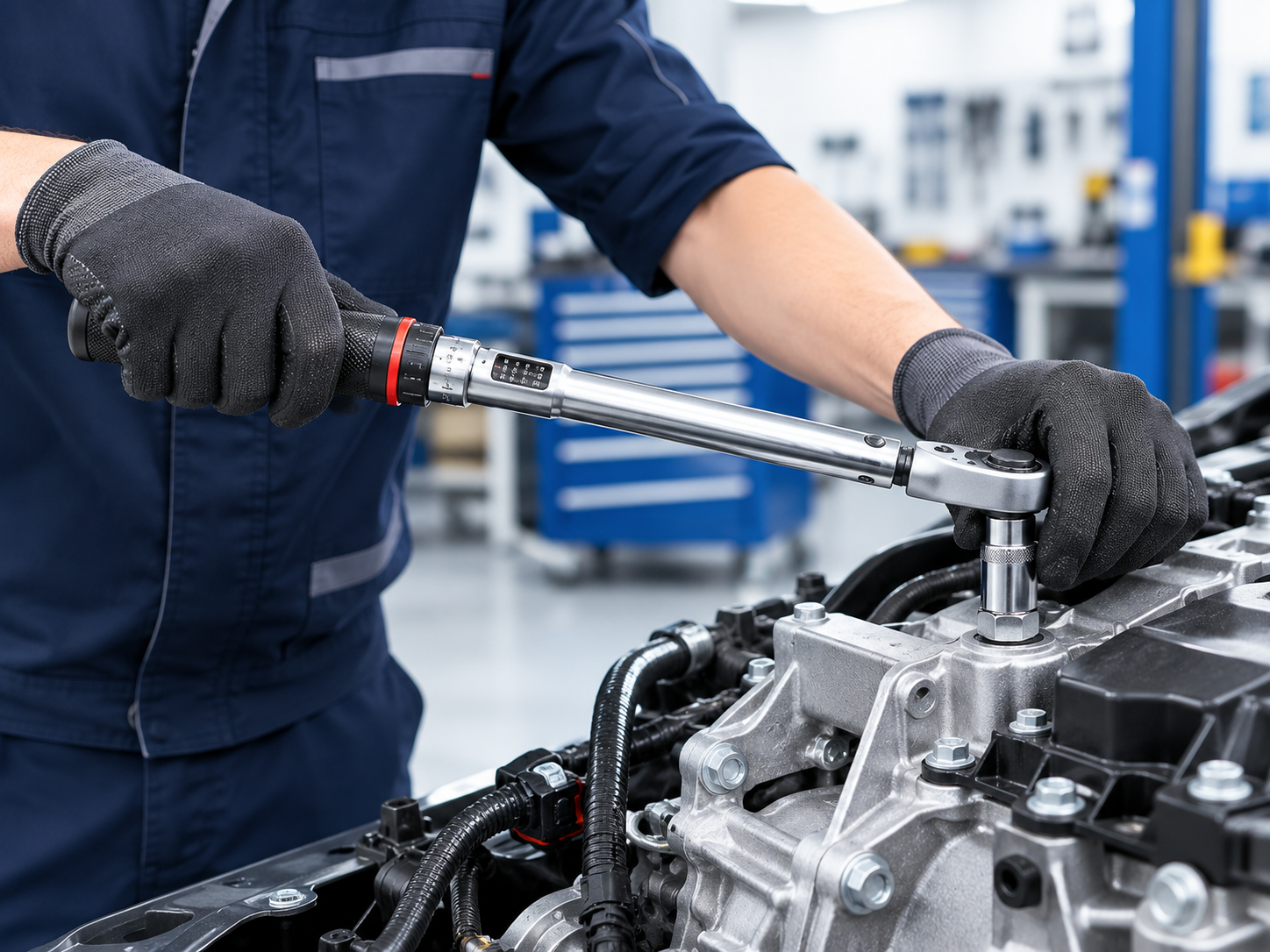
Why Manual Torque Wrenches Are Reliable
Manual torque wrenches are favored for their durability and lack of dependence on external power sources. Unlike complex systems, they are ready for use the moment you pick them up.
Understanding the Benefits of Manual Torque Wrenches
A manual torque wrench is highly effective because it gives the operator tactile feedback. When you use a click-type manual wrench, you can feel and hear exactly when the target torque is reached. This simplicity reduces the chance of errors caused by complex digital interfaces or hydraulic pressure fluctuations. They are incredibly reliable for repetitive tasks where the torque value stays the same, allowing for fast, accurate work without the need for pumps, hoses, or batteries. Because they have fewer moving parts, they are also less likely to fail in harsh environments, making them a must-have in any professional toolkit.
Precision in Controlled Environments
Manual torque wrenches are designed to provide consistent accuracy when used correctly. For many standard applications, these tools offer enough precision to meet manufacturer specifications. By following a steady, smooth pulling motion, the operator ensures the force is applied gradually, which prevents the sudden jerking that can lead to over-tightening. This level of control makes them an excellent choice for assemblies where excessive force could crush components or strip threads.
Cost-Effectiveness and Ease of Use
One of the greatest advantages of manual Torque Tools is their affordability and ease of maintenance. You do not need to invest in expensive hydraulic Lifting Tools or specialized training to start using a manual wrench. They are compact, portable, and easy to store, making them perfect for on-the-go repairs or confined spaces where larger equipment simply will not fit. For teams looking to balance their budget while maintaining high standards of work, manual tools provide a cost-effective way to achieve professional-grade results.
When to Choose Manual Over Power Tools
While manual wrenches are excellent, they are not always the right choice for every application. Knowing when to upgrade is key to safety.
Assessing Your Torque Requirements
If a task requires thousands of Newton-meters of force, a manual wrench is not the safe or efficient choice. Manual tools rely on the operator's physical strength, which has its limits. When you are working on heavy-duty infrastructure or massive steel assemblies, hydraulic torque wrenches are necessary to handle the high loads safely and consistently. However, for smaller bolts and general mechanical work, a manual wrench is often more than capable of doing the job while providing better "feel" for the bolt’s response.
Maintaining Performance and Accuracy
To keep a manual torque wrench performing at its best, regular calibration is essential. Even the best tools can lose accuracy over time if they are dropped or stored improperly. Keeping your wrench in a protective case and returning it to its lowest setting after use will help maintain its internal spring's accuracy. By treating the tool with care, you ensure that it remains a reliable part of your inventory for years to come, providing the same consistent results every single time you need to tighten a fastener.
Integrating Tools for Complete Coverage
A well-equipped workshop often features a mix of tools. You might use a manual wrench for light, precision assembly and then switch to an electric torque wrench for more demanding or repetitive high-volume work. This balanced approach allows you to work efficiently without putting unnecessary strain on your body or your equipment. By having the right tool for every specific bolt size and application, you maximize your productivity and minimize the risk of hardware failure.
The Value of Quality Equipment
The effectiveness of any tool is heavily influenced by its build quality and engineering.
Engineering for Long-Term Success
When choosing manual tools, quality matters. A well-engineered wrench will have a smooth adjustment mechanism, a comfortable grip, and a clear scale that is easy to read under different lighting conditions. These details may seem small, but they significantly improve the operator's experience and the accuracy of the final job. SAIVS focuses on delivering tools that meet these high standards, ensuring that professionals have reliable equipment that helps them achieve consistent results on every project.
Professional Support and Operational Reliability
Having access to a supplier that understands the technical needs of your projects is an invaluable resource. Whether you are looking for guidance on tool selection or needing advice on maintenance best practices, working with experts helps you get the most out of your equipment. Professional support ensures that your team is well-prepared to handle any task, from simple repairs to complex industrial assemblies.
Reliable Solutions for Your Projects
For those seeking high-quality industrial and maintenance tools, Saivs provides a wide selection of professional-grade equipment. Their commitment to quality ensures that you receive tools that are both durable and accurate, allowing you to complete your work with confidence. By choosing the right tool for the job—whether it is a manual, hydraulic, or electric solution—you protect your equipment and ensure the highest safety standards for all your industrial tasks.
Why Choose SAIVS™ as Your Supplier?
With 20 years of industry experience, SAIVS is a leading Chinese manufacturer of high-quality tools, offering competitive pricing and excellent customer service.We pride ourselves on exceptional quality control, extensive experience, and comprehensive after-sales service.