What Size Torque Wrenches Do You Need for a Truck?
In automotive maintenance, heavy-duty fleet service, and commercial transport repairs, ensuring that every fastener is tightened to exact specifications is vital for road safety. Many mechanics, fleet operators, and DIY enthusiasts often wonder: what size Torque Wrench do you need for a truck? Because trucks range from half-ton light pickups to massive semi-trucks, a single torque wrench cannot handle every fastener on the vehicle.
Properly servicing a truck requires understanding different fastener grades, torque thresholds, and which tool sizes correspond to specific mechanical components. By exploring the correct tool sizes for light, medium, and heavy trucks, you can ensure safe, professional-grade maintenance.
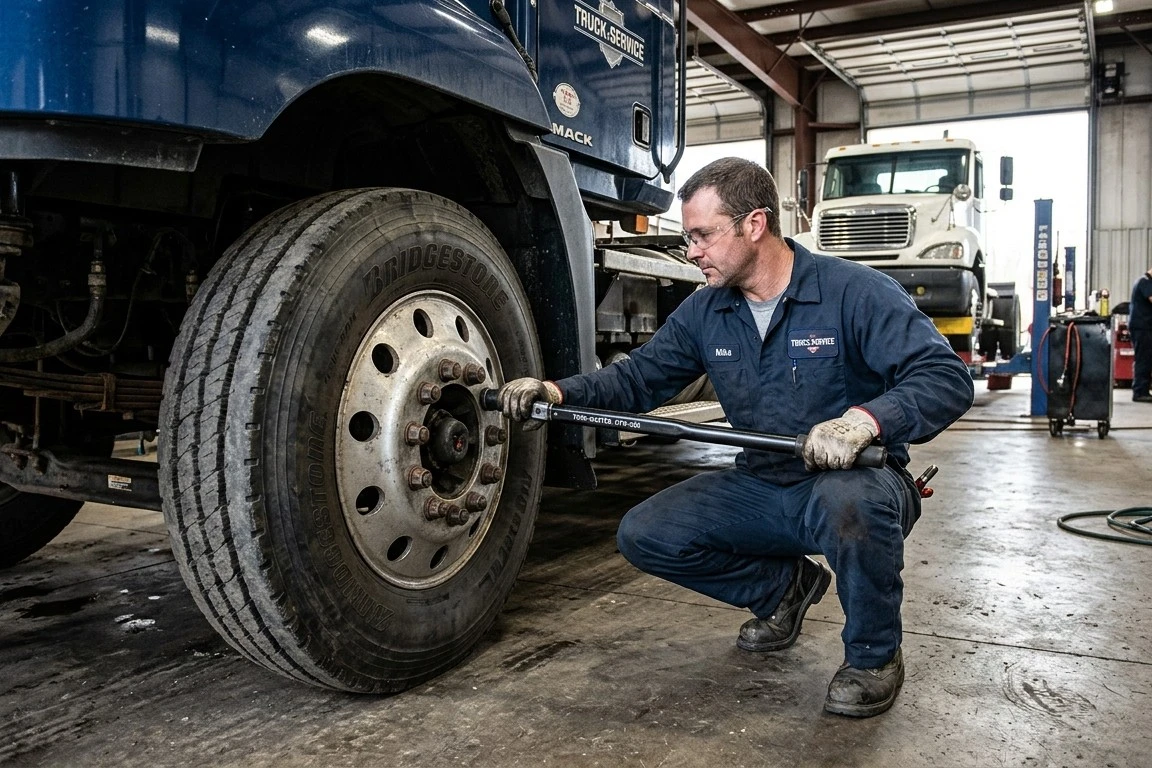
Understanding Truck Torque Categories by Vehicle Class
The required torque wrench size depends entirely on the size of the vehicle and the specific mechanical assembly you are servicing.
1. Light-Duty Trucks and Pickups (1/2-Ton to 1-Ton)
For light-duty pickups (such as standard consumer trucks), fasteners generally fall into moderate torque ranges:
Engine and Suspension Work: Fasteners like valve cover bolts, oil pan bolts, and smaller suspension components require lower torque settings ranging from 10 to 100 ft-lbs, making a standard 3/8-inch or 1/2-inch drive click torque wrench ideal.
Wheel Lug Nuts: Standard truck lug nuts typically require between 85 and 150 ft-lbs of torque. For this, a 1/2-inch drive torque wrench with a long handle provides the necessary leverage and capacity without straining the tool.
2. Medium-Duty and Commercial Delivery Trucks
Medium-duty commercial trucks feature heavier chassis components, larger brake assemblies, and higher structural loads:
Suspension, U-Bolts, and Axles: Heavy leaf spring U-bolts, differential covers, and steering linkages require substantially higher tightening force, often ranging from 200 to 400 ft-lbs.
Tool Requirements: Servicing medium-duty trucks requires stepping up to a heavy-duty 3/4-inch drive torque wrench to handle the elevated torque demands securely and prevent tool flex or failure.
3. Heavy-Duty Semi-Trucks and Commercial Trailers
Semi-trucks and heavy transport rigs operate under extreme loads, demanding industrial-scale bolting instruments:
Wheel Hubs and Structural Fasteners: Commercial truck wheel lug nuts often require tightening to 450 to 500+ ft-lbs or higher, while structural frame and engine components demand specialized high-capacity tooling.
Tool Requirements: Heavy semi-truck maintenance requires 3/4-inch or 1-inch drive click wrenches, heavy-duty multiplier tools, or specialized hydraulic torque wrenches to achieve the massive clamping force required for commercial transport safety.
Key Considerations When Selecting a Truck Torque Wrench
Choosing the right torque tool involves evaluating physical reach, drive size compatibility, and calibration reliability.
Drive Size and Socket Compatibility
Ensure your torque wrench drive size (1/2-inch, 3/4-inch, or 1-inch) matches your heavy-duty impact sockets. Using adapter reducers on extreme truck torque applications can cause tool snapping or slippage under high loads.
Handle Length and Operator Leverage
Tightening large truck lug nuts to 150 ft-lbs or suspension bolts to 300 ft-lbs requires significant physical leverage. Longer handle wrenches reduce operator fatigue and make achieving high torque targets safer and more controlled.
Routine Calibration and Maintenance
Truck maintenance tools experience harsh workshop conditions and heavy physical stress. Regularly inspect and recalibrate your torque wrenches to ensure they continue delivering accurate, dependable clamping force across every fleet vehicle.
Achieving Excellence with Professional Equipment
Success in automotive and commercial vehicle maintenance relies on selecting robust tools engineered specifically for heavy mechanical demands.
Engineering for Consistent Results
When working on critical truck suspensions, steering linkages, and high-load wheel assemblies, you need equipment built to withstand extreme stress. A well-constructed fastening tool ensures proper clamp loads and prevents structural failures on the road. SAIVS focuses on providing high-grade industrial tools—ranging from precision Manual Torque Wrenches to heavy-duty fluid power hardware—that help mechanics achieve exact specifications every single time.
Expert Support for Your Tooling Needs
Selecting the ideal torque tool, understanding fastener clamping limits, or maintaining heavy commercial fleets requires a clear understanding of mechanical dynamics. If you need assistance with equipment selection, calibration schedules, or assembly procedures, consult with experts who understand industrial and automotive engineering. Professional guidance ensures that your hardware investments protect your operational safety.
Trusted Solutions for Industrial Excellence
For professionals demanding the best in measurement and assembly, Saivs offers a comprehensive range of industrial equipment. Their commitment to engineering quality and reliability helps keep projects on track and within strict specifications. By choosing Saivs, you invest in precision, durability, and the long-term success of your automotive and mechanical operations.
Why Choose SAIVS™ as Your Supplier?
With 20 years of industry experience, SAIVS is a leading Chinese manufacturer of high-quality tools, offering competitive pricing and excellent customer service.We pride ourselves on exceptional quality control, extensive experience, and comprehensive after-sales service.