How Do I Know What Hydraulic Pump I Need?
In industrial automation, mobile machinery, and fluid power systems, selecting the correct fluid generator is critical for safe and efficient operation. Many engineers and technicians often struggle when trying to choose the right hydraulic pump for a new build or a replacement project. With numerous configurations available—ranging from a standard hydraulic oil pump to a high-capacity Electric Hydraulic Pump—identifying your exact operational parameters ensures your machinery runs smoothly without wasting energy or risking component failure.
Finding the ideal pump requires more than guesswork; it involves a systematic evaluation of your system's flow, pressure, and physical mounting requirements. By following a structured selection process, you can pinpoint the exact equipment needed to match your performance goals.
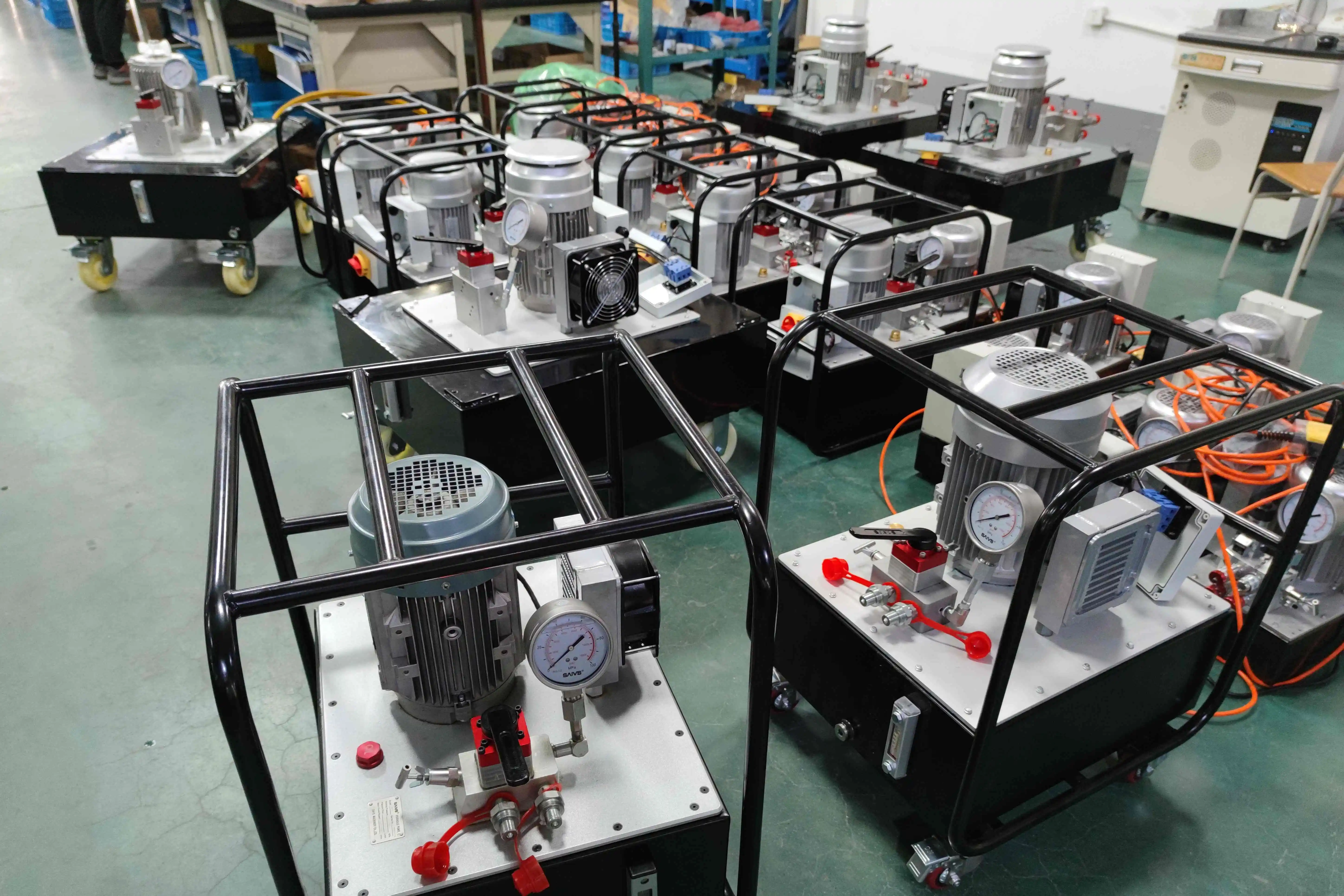
Key Parameters for Determining Your Hydraulic Pump Needs
To choose the correct pump, you must first evaluate three foundational hydraulic metrics: flow rate, operating pressure, and drive configuration.
Calculating Required Flow Rate (GPM or LPM)
Flow rate dictates how fast your hydraulic actuators—such as cylinders or hydraulic motors—will move. To determine what you need, calculate the volume of fluid required by your actuators and the desired speed of operation. If your flow rate is too low, your equipment will operate sluggishly; if it is too high, it will generate excessive heat and waste energy. Whether you are sizing a compact system or a heavy-duty hydraulic piston pump, matching the flow capacity to your duty cycle is essential.
Determining Maximum Working Pressure (PSI or Bar)
Pressure is a measure of the resistance the pump must overcome to move fluid through the system. You must determine the maximum operating pressure required by your heaviest load. Choosing a pump with a Pressure Rating lower than your system demand will cause a stall, while selecting an improperly rated unit can lead to dangerous mechanical stress. Proper evaluation ensures that your variable displacement hydraulic pump or fixed-flow unit operates comfortably within its safe working limits.
Evaluating Drive Source and Physical Space
How will the pump be powered? Depending on your application, you might need a belt-driven setup, an engine-mounted unit, or an independent electric motor. Furthermore, physical space limitations in machinery housing will dictate whether you need a compact configuration or a larger industrial assembly. Ensuring physical and mechanical compatibility prevents costly redesigns during installation.
Matching Pump Types to Specific Applications
Different applications demand specific pump designs to achieve optimal performance and longevity.
Fixed vs. Variable Displacement Systems
If your application requires a constant, steady stream of fluid for basic operations—such as a simple press or material transfer—a fixed displacement hydraulic fluid pump is typically the most cost-effective and reliable choice. However, if your machinery requires changing speeds, adjustable flow rates, and high energy efficiency under fluctuating loads, a variable displacement model is necessary to prevent unnecessary power loss and heat generation.
Mobile vs. Stationary Work Environments
The environment where your equipment operates heavily influences your choice. Mobile machinery, such as agricultural tractors or construction equipment, often relies on engine-driven or specialized pto hydraulic pump systems. Conversely, factory automation and indoor industrial presses typically utilize clean, quiet electric motor-driven power units. Selecting a pump built for your specific operating environment ensures long-term reliability.
Consulting System Specifications and Manufacturer Guidelines
Before making a final purchase, always cross-reference your calculations with the original equipment manufacturer's guidelines. Ensuring fluid compatibility, viscosity ratings, and port sizes prevents compatibility issues. Utilizing reliable, well-engineered hardware ensures your hydraulic circuit delivers consistent, trouble-free performance over its entire service life.
Achieving Excellence with Professional Equipment
Success in fluid power applications requires a commitment to quality hardware, precise engineering, and reliable manufacturing standards.
Engineering for Consistent Results
When operating high-pressure industrial systems, you need equipment designed for extreme durability and effortless serviceability. Robust pump housings, precise internal machining, and high-grade seals ensure reliable performance under continuous heavy loads. SAIVS focuses on providing heavy-duty fluid power hardware that stands up to demanding industrial use, giving you dependable results every single time.
Expert Support for Your Hydraulic Needs
Selecting the ideal pump category or matching the correct system components to your application requires a clear understanding of fluid dynamics. If you need assistance with equipment selection, calibration, or maintenance procedures, consult with experts who understand industrial hydraulics. Professional guidance ensures that your hardware investments accurately protect your operational safety and efficiency.
Trusted Solutions for Industrial Excellence
For professionals demanding the best in fluid control and heavy machinery support, Saivs offers a comprehensive range of industrial equipment. Their commitment to engineering quality and reliability helps keep your operations running smoothly without unexpected interruptions. By choosing Saivs, you invest in durability, precision, and the long-term success of your industrial operations.
Why Choose SAIVS™ as Your Supplier?
With 20 years of industry experience, SAIVS is a leading Chinese manufacturer of high-quality tools, offering competitive pricing and excellent customer service.We pride ourselves on exceptional quality control, extensive experience, and comprehensive after-sales service.