Is a Manual Torque Wrench Better Than a Hydraulic Torque Wrench?
In industrial maintenance, heavy construction, and precision mechanical assembly, selecting the correct tightening instrument is critical for fastener integrity and structural safety. Many technicians often wonder: is a Manual Torque Wrench better than a Hydraulic Torque Wrench? The truth is that neither tool is universally "better"—instead, each is engineered for entirely different scales of work, torque capacities, and operational environments.
Choosing between a hand-operated tool and a high-power system requires a clear understanding of your project requirements, fastener sizes, and workspace constraints. By exploring the strengths and ideal applications of both technologies, you can select the right equipment to ensure safe and accurate assembly.
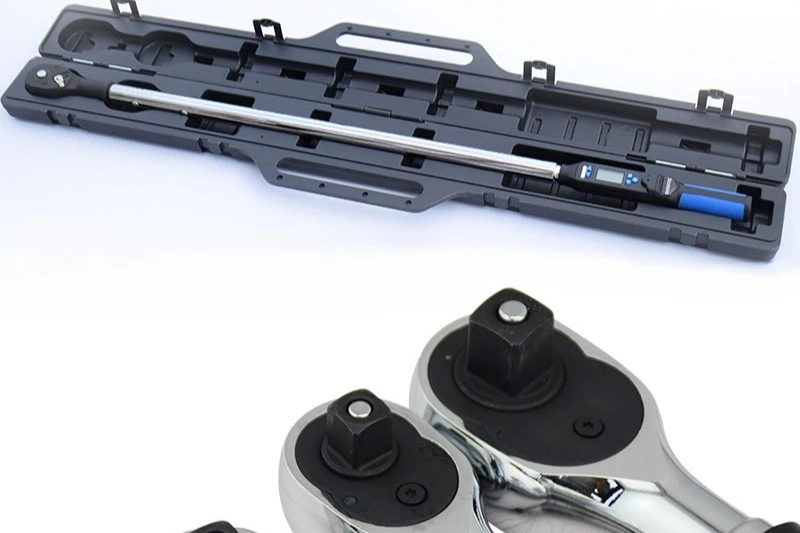
Comparing Manual and Hydraulic torque wrenches
The fundamental difference between manual and hydraulic tools lies in how force is generated, applied, and measured.
Manual Torque Wrenches: Precision and Portability for Standard Fasteners
Manual torque wrenches—including click-type, beam, and digital models—rely entirely on operator muscle power and mechanical leverage. They are lightweight, portable, and require no external power sources, hoses, or pumps. For standard industrial maintenance, automotive repair, and medium-duty assembly where fasteners range from small diameters up to standard bolt sizes, a manual tool offers rapid operation and high tactile precision. However, when torque requirements climb beyond standard human capacity, manual leverage becomes physically impractical.
hydraulic torque wrenches: Massive Power for Heavy Industrial Bolting
When working with large structural bolts in wind turbines, heavy machinery, and petrochemical pipelines, manual leverage is insufficient. A hydraulic torque wrench utilizes high-pressure fluid power from an electric or pneumatic pump to deliver massive, precise rotational force with minimal physical effort from the operator. These tools are engineered to handle high-torque thresholds ranging into thousands of foot-pounds or Newton-meters, ensuring uniform clamping force on massive industrial flanges.
Operational Efficiency and Safety Under Load
While a manual wrench depends on the technician's physical strength—which can lead to fatigue during repetitive high-torque operations—a hydraulic system delivers consistent, repeatable force controlled via a precision pressure regulator. This eliminates operator strain and ensures that critical joints meet strict engineering specifications without risking under-tightening or bolt failure.
When to Choose Each Tool Type
Selecting the superior tool depends heavily on the scale of your project and your physical work environment.
Choose a Manual Torque Wrench When:
Fastener size is moderate: You are working on bolts that require standard torque ranges easily achieved by human leverage.
Mobility is essential: You need to move quickly across a job site, climb ladders, or work in confined spaces without dragging heavy hydraulic hoses.
Budget and simplicity are priorities: You require a cost-effective, reliable tool for routine maintenance without the need for power packs or specialized calibration setups.
Choose a Hydraulic Torque Wrench When:
Handling extreme torque loads: Your project involves massive structural fasteners found in heavy industry, mining, or power generation.
Minimizing operator fatigue is crucial: Your team must tighten dozens or hundreds of large bolts consecutively during a scheduled maintenance shutdown.
Precision and uniformity are mandatory: You need verifiable, high-pressure calibration to ensure even clamping across critical pressure vessel flanges or heavy equipment joints.
Achieving Excellence with Professional Equipment
Success in industrial assembly is the direct result of using tools engineered specifically for the demands of your trade.
Engineering for Consistent Results
When you rely on high-precision bolting tools, you need equipment built to withstand harsh workplace environments. A well-constructed tool features clear scale markings, durable internal mechanisms, and robust materials that allow for steady, controlled force application. SAIVS focuses on providing reliable tools that bridge the gap between industrial strength and absolute precision, ensuring dependable performance for every single connection.
Expert Support for Your Tooling Needs
Selecting the ideal torque tool for your application is just as important as the tool's baseline quality. If you are uncertain whether a manual click wrench or a heavy-duty hydraulic system is best for your current setup, consult with specialists who understand industrial bolting dynamics. Professional guidance helps you choose equipment that maximizes both safety and workflow efficiency.
Trusted Solutions for Industrial Excellence
For professionals demanding the best in measurement and assembly, Saivs offers a comprehensive range of industrial equipment. Their commitment to engineering quality and reliability helps keep projects on track and within strict specifications. By choosing Saivs, you are investing in precision, durability, and the long-term success of your maintenance and construction operations.
Why Choose SAIVS™ as Your Supplier?
With 20 years of industry experience, SAIVS is a leading Chinese manufacturer of high-quality tools, offering competitive pricing and excellent customer service.We pride ourselves on exceptional quality control, extensive experience, and comprehensive after-sales service.