How to Troubleshoot and Maintain SAIVS Low-Profile Hydraulic Cylinders for Reliable Operation
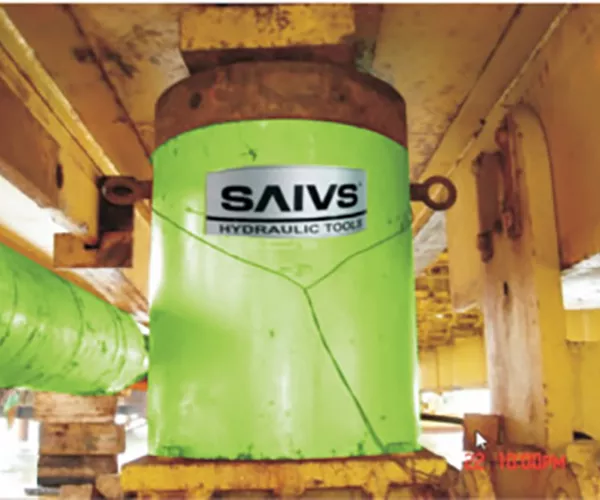
Introduction — Why proper troubleshooting matters
Hydraulic Cylinders and jacks are core components in many industrial, construction, and maintenance applications. They deliver high force in compact packages and enable precise motion control. However, poor performance can cause downtime, safety risks, and increased costs. This technical guide explains practical troubleshooting steps and maintenance practices for SAIVS hydraulic cylinders — including the SAIVS CLP Series Single-Acting Low Profile Lock-Nut Hydraulic Cylinder — so you can restore performance quickly and keep systems running reliably.
Common problems and quick diagnostics
1. External and internal leaks
Leaks are among the most frequent issues. External leaks often appear at seals, hose connections, fittings, or around port threads. Internal leaks cause slow extension or retraction despite correct pump operation. To diagnose, first perform a visual inspection while system pressure is applied at a safe level. Then isolate the cylinder and observe whether fluid bypasses internal seals by checking for drift under load.
2. Insufficient force or slow movement
Insufficient force or sluggish motion can come from low hydraulic fluid level, contaminated fluid, incorrect pressure settings, clogged valves, or internal wear. Measure system pressure with a calibrated gauge. Compare measured values to the cylinder’s rated pressure and the SAIVS CLP Series specification. If pressure is correct at the pump but the cylinder underperforms, suspect internal leakage or piston/rod wear.
3. Erratic movement and vibration
Jerking, vibration, or non-linear motion suggests contamination, valve instability, or mechanical misalignment. Inspect Directional Control Valves and flow controls for sticking or chatter. Check mounting points and rod alignment to prevent side loads that cause binding and premature seal failure.
Step-by-step troubleshooting workflow
Step 1 — Safety first
Depressurize the system and follow lockout/tagout procedures. Wear appropriate PPE. Only inspect pressurized components using approved gauges and tools.
Step 2 — Visual & basic checks
Check fluid level and color. Look for visible contamination, foaming, or burnt smell. Inspect hoses, fittings, and external seals for wear and tightness. Replace or tighten as necessary.
Step 3 — Pressure and flow verification
Measure pump output pressure and flow. Verify relief valve and system regulators match the design values for the SAIVS cylinder. If pressure is low at the pump, troubleshoot the pump or relief valve before removing the cylinder.
Step 4 — Isolate the cylinder
Block the ports and apply a controlled load. If the cylinder drifts under load, internal seal failure or piston damage is likely. Disassemble the cylinder only after confirming internal failure and ordering the correct SAIVS replacement seals or kits.
Maintenance best practices to prevent problems
Regular preventive maintenance reduces failures. Schedule fluid analysis and change intervals based on operating hours and contamination levels. Use recommended hydraulic oil viscosity and filtration (micron ratings suitable for your system). Inspect seals, rods, and mountings for corrosion or scoring during routine service. Keep a small stock of SAIVS recommended spare seals, O-rings, and fasteners to speed repairs.
When to repair vs. replace
Minor seal leaks, hose replacements, and valve cleaning are cost-effective repairs. However, if the piston rod is bent, the bore is scored, or internal components show hard wear, full cylinder reconditioning or replacement is often more economical. For SAIVS CLP Series low-profile cylinders, consult the SAIVS parts manual for torque specs and authorized service procedures to preserve warranty and ensure safety.
Conclusion — Keep SAIVS equipment reliable
Systematic diagnostics and a maintenance schedule are the fastest route from problem detection to reliable operation. Address leaks, pressure anomalies, and contamination promptly. Follow SAIVS recommended procedures for inspection, seal replacement, and reassembly. By combining careful troubleshooting with preventive care, your hydraulic cylinders and jacks will deliver consistent, safe performance — reducing downtime and protecting your investment.
Why Choose SAIVS™ as Your Supplier?
With 20 years of industry experience, SAIVS is a leading Chinese manufacturer of high-quality tools, offering competitive pricing and excellent customer service.We pride ourselves on exceptional quality control, extensive experience, and comprehensive after-sales service.