What is the 20 80 Rule for Torque Wrenches?
The 20-80 rule is a standard guideline in industrial maintenance that helps users achieve the best performance and accuracy from their tools. When using high-performance hydraulic torque wrenches, electric Torque Wrenches, or hydraulic Lifting Tools, operating within this specific range ensures the tool functions at its peak efficiency while maintaining its lifespan.
Understanding this rule is essential for any professional working in fields like oil and gas, infrastructure, or heavy equipment maintenance. By following these capacity guidelines, you can significantly reduce the risk of mechanical failure and ensure that every bolt is tightened to the correct specification.
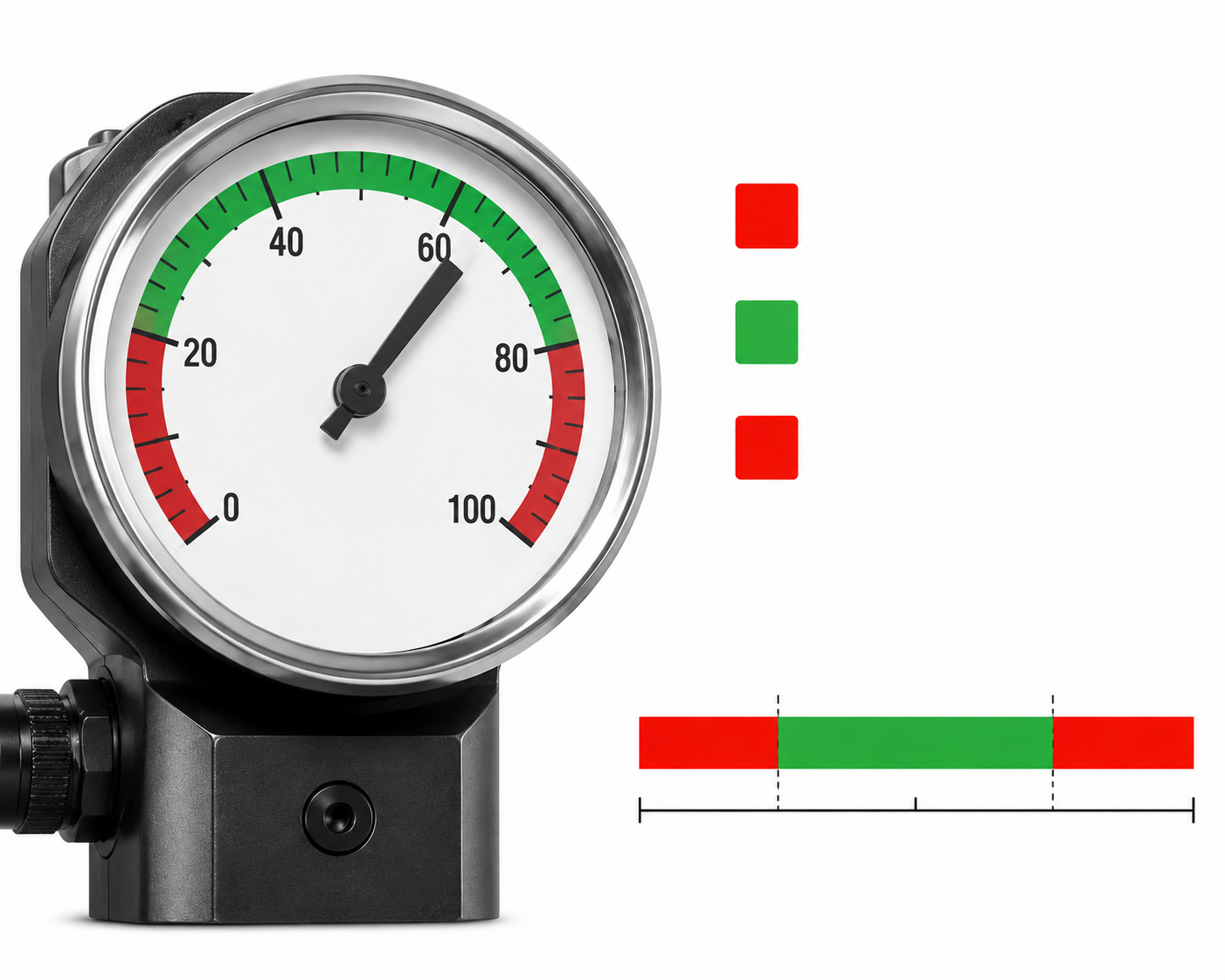
![Image Placeholder: A clear, high-quality diagram showing a torque wrench’s pressure gauge with the 20% to 80% range highlighted in a green zone for visual clarity.]
Why the 20-80 Rule Matters for Torque Wrenches
The 20-80 rule is primarily about safety and precision. Every industrial tool has a maximum load capacity, but pushing a tool to its absolute limit or using it for extremely light tasks can lead to inconsistent results.
Understanding the 20-80 Rule for Torque Wrenches
The 20-80 rule suggests that for the most consistent and accurate results, a Hydraulic Torque Wrench or Electric Torque Wrench should be operated between 20% and 80% of its total output capacity. When you operate a tool within this "sweet spot," the internal mechanisms are under optimal pressure. If you operate below 20%, the tool may struggle to provide stable, repeatable torque. Conversely, operating consistently above 80% can cause premature wear on seals, internal gears, and the hydraulic system itself. By keeping the workload in this middle range, you protect the tool's structural integrity and ensure the safety of the operator.
Accuracy and Performance Calibration
Operating within the recommended 20-80% range ensures that the pressure sensors and internal calibration remain accurate. When a tool is used at the very bottom of its range, small fluctuations in pressure or mechanical resistance can result in a higher percentage of error. Similarly, at the extreme high end of the scale, the tool is prone to fatigue. By choosing a tool sized specifically for the job so that the required torque falls comfortably in the middle, you ensure that every bolt is tightened with the precision required for critical industrial projects.
Protecting Your Investment Through Proper Usage
Using tools within their intended working range is the most effective way to extend the service life of your equipment. Excessive strain caused by pushing a tool to 100% capacity repeatedly will lead to leaks, bolt shear, or internal component breakage. By adhering to the 20-80 rule, you minimize downtime and reduce the need for frequent repairs. Think of it like a vehicle: it is designed to run efficiently at cruising speeds rather than redlining the engine constantly. Proper usage keeps your equipment ready for action whenever an emergency or routine maintenance task arises.
![Image Placeholder: A close-up shot of a worker using a professional hydraulic torque wrench on a large steel assembly, demonstrating the tool in a stable, controlled environment.]
Factors Influencing Tool Performance
While the 20-80 rule is a great starting point, other factors also determine how well your equipment performs on the job site.
Environmental Conditions and Hydraulic Stability
The stability of your hydraulic power unit and the temperature of the working environment can affect how the tool responds. In very cold or extremely hot conditions, hydraulic fluid viscosity changes, which can impact the tool's ability to maintain consistent torque output. SAIVS tools are designed to handle these variations, but it is always best practice to let the hydraulic system warm up and stabilize before starting any critical bolting operation. Regular maintenance of the pump and hose connections is also required to ensure that the pressure delivered is exactly what the wrench needs to perform its job correctly.
Maintenance and Pre-operational Checks
Even if you follow the 20-80 rule strictly, your equipment will eventually need maintenance. Before starting any project, verify that all hoses are free of kinks, connectors are clean, and there are no visible signs of hydraulic leaks. Inspecting the wrench head for wear and ensuring that the torque settings are accurately communicated to the tool are vital steps. Consistent maintenance acts as a safeguard, ensuring that your Saivs tools continue to deliver the high-performance results you expect, regardless of the intensity of the work environment.
Selecting the Right Tool for the Application
Not every job is the same, and sometimes the best way to follow the 20-80 rule is to simply have the right tool for the specific bolt size and torque requirement. Saivs provides a comprehensive range of tools, from compact units to heavy-duty industrial systems. If a specific application requires 500 Nm of torque, do not use a tool that is barely capable of that amount at its maximum setting. Instead, select a tool where 500 Nm sits comfortably in the middle of its operating range. This proactive approach to tool selection is what keeps construction and rescue operations running smoothly.
![Image Placeholder: A side-by-side comparison image showing a variety of Saivs hydraulic tools with clear labels indicating their different pressure and torque capacity ranges.]
Optimizing Work Efficiency
Ultimately, the goal of these guidelines is to make your job safer and more efficient. By understanding the 20-80 rule, you can make informed decisions about your equipment.
Improving Operational Efficiency
When your tools are sized correctly and used within their optimal range, the work moves faster. You spend less time troubleshooting inconsistent results and more time completing your tasks. Whether you are working on bridge construction or emergency disaster response, having equipment that you can trust to perform every single time is invaluable. This efficiency reduces the physical fatigue of the operator and lowers the overall intensity of the work required to get the job done right.
Safety for Critical Infrastructure Projects
In industries like bridge building and oil and gas, there is zero margin for error. A failure in a structural bolt can lead to catastrophic consequences. The 20-80 rule is not just a suggestion; it is a vital part of a safety-first culture. By ensuring your Torque Tools are operating in their stable zone, you eliminate the guesswork and ensure the integrity of the entire structure. Saivs is dedicated to supporting these critical missions by providing tools that are built to last and designed for reliable, repeatable safety.
Partnering for Long-Term Success
Technical excellence is only part of the equation. Having a reliable partner who understands the nuances of tool performance is equally important. For those looking for durable and professional-grade equipment, ACC serves as a reliable source for high-quality industrial and emergency tools designed to meet these exact standards. By combining expert knowledge, the right equipment, and proper operating procedures, you can tackle the most demanding industrial challenges with total confidence.
Why Choose SAIVS™ as Your Supplier?
With 20 years of industry experience, SAIVS is a leading Chinese manufacturer of high-quality tools, offering competitive pricing and excellent customer service.We pride ourselves on exceptional quality control, extensive experience, and comprehensive after-sales service.